

There are several beverages that can affect your reproductive system and make it harder for you to conceive. Here are two of the worst “infertility beverages” and why you should avoid them if you’re trying to get pregnant.
Alcohol for Male Fertility

Men who drink alcohol may start to accumulate oestrogen in their bodies. Oestrogen is of course the female hormone but men have it naturally in small amounts. The reason alcohol causes it to accumulate is because heavy drinking takes a toll on the liver. Alcohol puts a burden on the liver, impairing it’s ability to regulate oestrogen in the body. This results in too much oestrogen accumulating. At the same time, alcohol interferes with the production of testosterone. This hormone imbalance leads to lower libido, lower sperm count, and reduction in potency and production of sperm.
Alcohol also blocks the absorption of zinc, which is a mineral that has beneficial effects on fertility. Zinc is vital to the production of sperm, and research has shown that if the intake of zinc goes down, so too does the sperm count. Alcohol is also known to cause cell mutations, with sperm cells being no exception. Both these reasons explain why sperm produced while alcohol is being consumed is less likely to be healthy and effective. Furthermore, excessive alcohol consumption has also been linked to impotence.
Alcohol for Female Fertility
Alcohol is equally harmful to female fertility. Consumption of alcohol, especially for heavy drinkers, has been linked to anovulation (when ovulation doesn’t occur). This is because alcohol can increase the levels of a hormone called prolactin. This hormone plays a role in inhibiting ovulation. Even drinking one or two drinks a week can increase levels of prolactin and therefor increase the chance of anovulation. Having no periods at all, miscarrying and having difficulty conceiving in general are also linked to alcohol consumption.

Most women know that drinking alcohol while pregnant is dangerous for the baby. Doing so can cause FAS (Foetal Alcohol Syndrome) which causes the baby to be born with serious birth defects. What some may not realize is that the most critical time to avoid alcohol during pregnancy is the first 6 weeks. However most women don’t find out that they’re pregnant until after at least the first 2 weeks. This means they may have accidentally been drinking while in the most critical stage of pregnancy without knowing it. This is why it’s best to avoid alcohol altogether and not just once you know you’re pregnant.
Caffeine
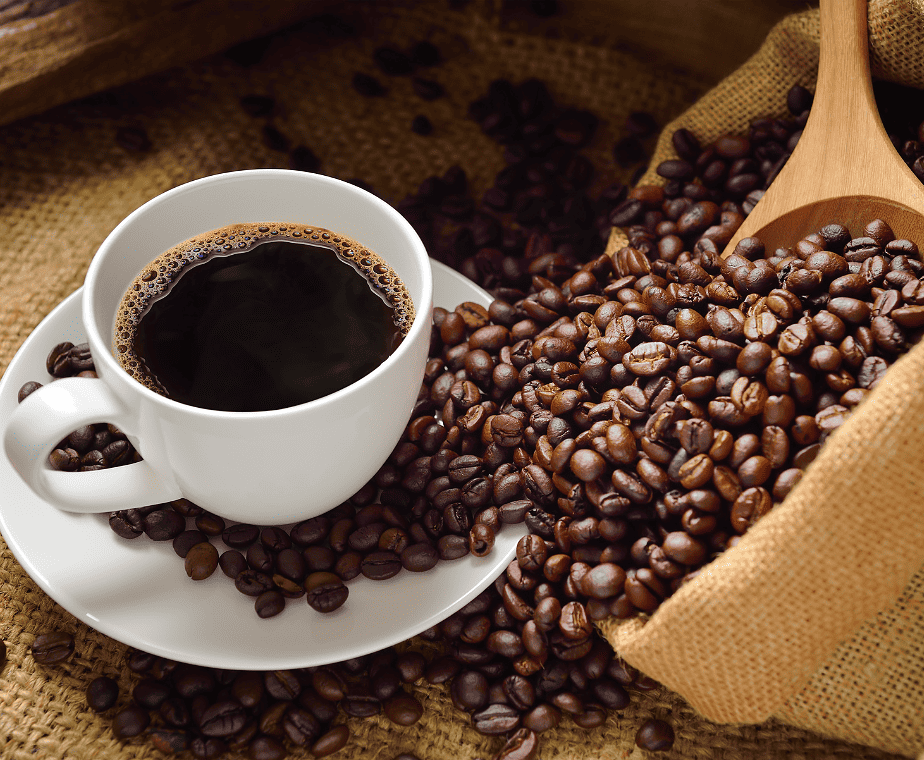
Even one cup of coffee a day may significantly decrease your fertility due to the caffeine content. Research has shown that consuming caffeine from coffee, tea, cola, and some painkillers may delay conception. For men the more caffeine they consume the higher their chance of low sperm count and problems with sperm mobility and abnormality. As with alcohol, it’s most important for men to avoid caffeine in the 3 months prior to conceiving as this is how long sperm take to develop. Black and green tea contain less caffeine than coffee so they are less harmful to fertility, but they still aren’t good and are best avoided if you want to have the best possible chance of getting pregnant.

Another concern about caffeine is that it is a diuretic, and this means that larger quantities of the zinc and calcium in your body which are important for healthy production of sperm and ova are lost in urine. Consuming caffeine may also lower the production of the hormone DHEA (dehydroepiandrosterone). This is a key hormone in the manufacturing of oestrogen and testosterone. This makes it a key hormone for preserving youthful hormone balance and libido.
Conclusion

Alcohol and caffeine drinks are beverages that are beloved by many people, but if you’re trying to get pregnant they’re definitely beverages you’ll want to avoid. However, do you find the prospect of giving up these drinks daunting? Some tips that might help you give up include staying hydrated, getting good sleep, and trying every kind of alternative you can find till you find one that you enjoy and that works for you. It also helps to always keep the benefits in mind!
References:
This article was based off the book “The Fertility Diet” by Sarah Dobbyn
Dobbyn, S. (2008). The fertility diet: And how to maximize your chances of having a baby at any age. Simon & Schuster.